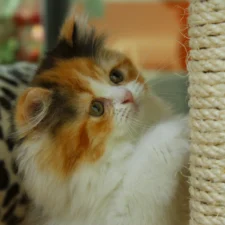





You’re relaxing on the couch when you suddenly hear that unmistakable sound: claws digging into your favorite chair. At Ocean Breeze Animal Hospital in Hutchinson Island, FL, we often reassure frustrated cat parents that scratching isn’t bad behavior; it’s instinct. With the right cat scratching solutions, you can protect your furniture while supporting your feline friend’s natural needs.
Scratching is as normal for cats as wagging tails are for dogs. It serves multiple purposes, from keeping claws sharp to stretching muscles and even marking territory. Rather than trying to stop it completely, the best strategy is redirecting cat scratching behavior so your kitty can stay happy and your home can stay intact.
Why Cats Scratch Furniture
Cats scratch for reasons rooted in both biology and behavior. Understanding the motivation behind the claws helps make sense of this sometimes destructive habit.
Reasons cats scratch include:
- Claw maintenance: Scratching sheds old nail sheaths.
- Territorial marking: Glands in the paws leave scent markers.
- Exercise and stretching: It’s a full-body workout for muscles and tendons.
- Stress relief: Scratching releases energy and tension.
When kitties choose the sofa or carpet, it’s usually because those surfaces are convenient, satisfying, and available. Knowing why cats scratch furniture is the first step toward solving the problem.
Redirecting Cat Scratching Behavior
Trying to punish your feline companion for scratching rarely works and may damage your bond. Instead, focus on giving your kitty better alternatives and encouraging their use.
Tips for redirection include:
- Provide scratching posts: Offer sturdy posts made of sisal or carpet.
- Place posts strategically: Put them near favorite napping or lounging areas.
- Reward use: Praise or treat your cat when they scratch appropriate spots.
- Use deterrents: Double-sided tape or protective covers can make furniture less appealing.
- Try horizontal and vertical options: Some cats prefer different angles.
Consistency is key. Over time, your kitty will naturally shift their habits to approved outlets.
Preventing Destructive Scratching in Cats
Once you’ve redirected behavior, prevention helps keep habits under control.
Preventive measures include:
- Trim nails regularly to reduce damage potential.
- Use nail caps for temporary protection.
- Keep posts fresh and appealing by rotating or adding new textures.
- Offer plenty of playtime to reduce boredom-driven scratching.
These strategies make preventing destructive scratching in cats manageable without stifling their natural instincts. Click here to read another cat care blog post. This one is on kitty nutrition.
Feline-Friendly Home Environments
Cats thrive in environments where their natural behaviors are supported. Scratching posts, climbing trees, and hiding spots all contribute to a healthier, happier kitty.
By creating yes spaces instead of focusing on no rules, you’ll encourage positive behaviors. Enrichment items like puzzle feeders or cat towers not only reduce destructive habits but also keep your feline companion mentally stimulated.
Fun Facts About Cat Scratching
- Scratching is contagious. Cats often scratch more when they see another cat do it.
- Outdoor cats scratch trees, but indoor cats substitute furniture if no posts are available.
- Declawed cats may still scratch because the behavior is instinctive, even without claws.
These facts remind us that scratching is less about mischief and more about being a cat. Humane World for animals also has a post on scratching in kitties. Click here for that one.
When to Seek Veterinary Guidance
While scratching is normal, sudden changes in intensity or frequency may indicate stress or health issues. For example, cats experiencing anxiety might scratch more excessively, while painful conditions like arthritis may reduce scratching altogether.
Our team at Ocean Breeze Animal Hospital in Hutchinson Island, FL, can help determine if your feline pal’s scratching is purely behavioral or linked to a medical concern.
Chewy has an article on signs of pain in cats, which you can read here.
FAQs About Cat Scratching
Is scratching a sign of aggression?
Not usually. Scratching is primarily about claw care, territory, and exercise.
Can I train my cat to stop scratching completely?
No, but you can redirect scratching to appropriate objects like posts or pads.
Do scratching posts really work?
Yes, especially if they’re tall, sturdy, and placed in your cat’s favorite areas.
How often should I trim my cat’s nails?
Every 2–4 weeks, depending on how quickly they grow.
Will my cat outgrow scratching behavior?
No, it’s a lifelong instinct, but habits can be managed with redirection and prevention.
Visit Our Hutchinson Island Veterinary Clinic for Cat Care
Scratching is natural, healthy, and important for cats, but it doesn’t have to mean ruined furniture. With the right cat scratching solutions, you can balance your feline pal’s needs with a peaceful home environment. At Ocean Breeze Animal Hospital in Hutchinson Island, FL, we are happy to offer guidance on redirecting cat scratching behavior and other feline wellness needs. Call today to schedule an appointment and discover more ways to support your kitty’s health and happiness.
Click here to visit our Services page and learn more about us and the pets we treat.
This blog is for informational purposes only. Always consult your veterinarian for diagnosis, treatment, and grooming advice tailored to your cat.