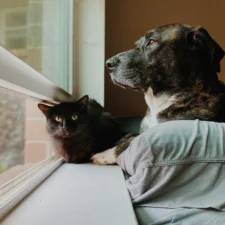





Heading out of town can be exciting, but for many pet parents, the thought of leaving a furry friend behind brings a wave of worry. At Ocean Breeze Animal Hospital, your Jensen Beach, FL pet hospital, we are happy to help families who are preparing pets for boarding for the first time. With the right steps, you can make the process smooth, safe, and comfortable for both you and your four-legged buddy.
Boarding is more than just dropping off your pet at a facility. It’s about planning ahead and making sure they feel secure in a new environment. From packing essentials to scheduling preventive care, following a pet boarding checklist for owners can help ease your mind while giving your pet the care they deserve.
Why Preparation Matters for Pet Boarding
Whether you’re leaving your dog, cat, or both, boarding can be a big adjustment. Pets rely on familiar routines, so sudden changes may cause stress if not handled carefully. Proper preparation gives them the best chance to settle in quickly and stay relaxed.
Benefits of good preparation include:
- Lower stress for your pet by keeping routines familiar
- Peace of mind for owners knowing pets are in safe hands
- Healthier experiences with updated vaccinations and preventive care
- Better communication with staff when care instructions are clear
By following safe and thoughtful steps, you’ll not only protect your furry bestie’s health but also make the transition easier.
Pet Boarding Checklist for Owners
Creating a checklist helps you cover all the essentials before the big day.
Key items to prepare include:
- Updated health records: Proof of vaccinations and parasite prevention
- Food and feeding instructions: To avoid tummy troubles from sudden diet changes
- Medications with directions: Clearly labeled for staff to administer
- Comfort items: A favorite blanket, toy, or bed to reduce stress
- Emergency contacts: Your phone number and a backup caregiver
This pet boarding checklist for owners helps ensure staff have everything they need to care for your furry friend.
Safe Pet Boarding Tips
Boarding facilities vary, so choosing one carefully is important.
Safe pet boarding tips include:
- Tour the facility: Look for cleanliness, secure enclosures, and attentive staff.
- Ask about exercise routines: Daily walks or play sessions help reduce stress.
- Inquire about staff training: Experienced handlers make a big difference.
- Check vaccination requirements: Strict policies protect all pets from illness.
- Confirm communication methods: Will they call or text with updates if needed?
Following these guidelines gives you confidence that your pet will receive attentive care. You may also need to provide special care instructions. An older arthritic dog will have different care needs than a puppy. (Click here to read another one of our blogs on arthritis in dogs.)
How to Prepare Your Dog for Boarding
Dogs are social creatures, but boarding can still feel overwhelming at first. Preparing your pup ahead of time makes the transition much smoother.
Helpful steps include:
- Practice short stays: Try leaving your pooch with a trusted friend for a few hours before longer boarding.
- Introduce socialization: Dogs used to other animals adjust more easily.
- Maintain routines: Keep feeding and exercise schedules consistent before boarding.
- Provide familiar bedding: The smell of home can reduce stress.
These steps make a huge difference in how your pup responds to their boarding experience.
The AKC has a helpful article on pet boarding here. The American Animal Hospital Association also has an article on boarding, which you can read here.
Preparing Cats for Boarding
Cats may not crave social time like dogs, but they thrive in calm, predictable environments. Boarding can feel stressful if changes are abrupt.
Tips for feline friends include:
- Bring familiar items: A bed or blanket provides comfort.
- Request quiet accommodations: Cats often prefer calmer areas away from dogs.
- Stick to usual diets: Sudden food changes may cause digestive upset.
- Schedule playtime or enrichment: Ask staff about cat-specific activities.
With the right planning, boarding can be a positive experience for your feline pal, too.
Health Preparations Before Boarding
Before boarding, your pet should be up to date on veterinary care. This protects both your companion and the other animals at the facility.
Recommended preparations include:
- Vaccinations: Dogs usually need rabies, distemper, and Bordetella; cats often require rabies and FVRCP.
- Parasite prevention: Flea, tick, and heartworm protection are essential in Florida.
- Wellness exam: A quick checkup ensures your furry pal is healthy enough for boarding.
- Medication review: Confirm with your veterinarian how medications should be given.
Scheduling these steps at Ocean Breeze Animal Hospital helps ensure everything is ready for a safe stay.
FAQs About Preparing Pets for Boarding
Do pets get anxious when boarding?
Some do, but familiar items, routines, and caring staff help reduce stress.
Should I bring my pet’s own food?
Yes, keeping the same diet helps prevent stomach upset.
How early should I book boarding?
During holidays and summer, spots fill quickly—reserve well in advance.
Can I board a pet with special medical needs?
Yes, but let the facility know in detail. Veterinary-supervised boarding may be best.
Will my dog or cat miss me?
Pets adapt quickly, especially with staff providing attention and care.
Visit Our Jensen Beach Veterinary Clinic Before Boarding
Traveling without your furry pal doesn’t have to be stressful. By following safe pet boarding tips and a pet boarding checklist for owners, you’ll give your companion a smoother experience. At Ocean Breeze Animal Hospital, your Jensen Beach, FL pet hospital, we can help prepare your dog or cat with exams, vaccinations, and advice on how to prepare your dog for boarding or cat for boarding. Call today to schedule a wellness appointment and make your pet’s next stay a safe and happy one.
Click here to visit our Services page and learn more about us and the pets we treat.
This blog is for informational purposes only. Always consult your veterinarian for diagnosis, treatment, and grooming advice tailored to your cat.