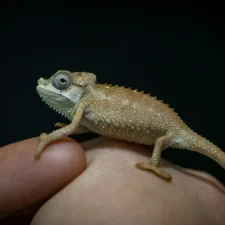





Exotic pets bring beauty, curiosity, and plenty of personality into our lives. From reptiles and birds to rabbits, Guinea pigs, and ferrets, these companions enrich households in unique ways. Yet exotics communicate discomfort differently than dogs and cats. At Ocean Breeze Animal Hospital in Jensen Beach, FL, we remind families that recognizing exotic pet stress signs early is essential for long, healthy lives at home.
Because many exotic species instinctively hide illness or weakness, stress often appears first as subtle behavior changes. By learning the basics of recognizing exotic pet stress and adjusting home care, you can intervene sooner, reduce health risks, and help your companion feel secure.
Why Stress Matters So Much for Exotic Species
Stress is not just an emotion—it triggers physical changes that can suppress immune function and disrupt digestion, sleep, and normal behavior. In exotics, even small environmental mismatches can have outsized effects. Slight shifts in temperature, humidity, lighting schedules, or enclosure layout may cause discomfort, while busy households, frequent handling, or competing pets can add social pressure. Understanding and minimizing stressors is the first step toward how to reduce stress in exotic pets.
We always recommend doing lots of research before adopting an exotic pet. Click here to see our past exotic pet care blog post.
Common Exotic Pet Stress Signs
Every species is different, but several patterns show up again and again when stress is brewing.
- Loss of appetite or selective eating
- Hiding more than usual or staying motionless for long periods
- Aggression, biting, or sudden defensiveness in previously calm pets
- Repetitive behaviors like pacing, circling, or bar-chewing
- Feather plucking in birds or over-grooming/barbering in small mammals
- Posture changes, open-mouth breathing, or color shifts in reptiles
- Weight loss, poor body condition, or a dull coat/feathers
These exotic pet behavior warning signs are early alerts that something needs attention—environment, handling, diet, or health.
It’s very important to do a lot of research before adopting an exotic pet. Texas A&M University has an article on adopting exotic pets. Click here to read it.
Species-Specific Stress Clues You Should Know
Learning the normal baseline for your pet makes changes easier to spot.
- Birds: decreased vocalization, feather plucking, tail bobbing, reluctance to perch, or staying low in the cage
- Reptiles: persistent hiding, refusal to bask, closed eyes during the day, color darkening, frequent gaping
- Rabbits/Guinea pigs: reduced hay intake, teeth grinding, thumping, freezing, or sudden skittishness
- Ferrets: lethargy, withdrawal from play, unusual nipping, or sleeping far more than baseline
- Small rodents: frantic running, bar-biting, hoarding changes, or sudden agitation when the enclosure is approached
Of course, this is just a sample of potential symptoms. You’ll want to do plenty of research about your specific pet. Don’t be shy about asking your vet for advice, either!
Environmental Foundations: Get the Basics Right
A solid husbandry foundation prevents most stress triggers. While every pet is different, here are some of the key things to pay attention to:
Temperature and humidity
Match species needs with accurate digital thermometers and hygrometers. Provide gradients, not single set points. For reptiles, create warm basking and cooler retreat zones; for mammals and birds, avoid drafts and large temperature swings.
Lighting and day–night cycles
Birds and reptiles rely on predictable light schedules. Many reptiles require full-spectrum or UVB lighting (reptiles) for their health. Keep lights on timers and maintain consistent photoperiods to stabilize sleep and hormone rhythms.
Ventilation and air quality
Stale or dusty air irritates delicate airways. Keep enclosures clean, keep aerosols and strong fragrances out of the same room, and position habitats away from kitchen smoke or household cleaners.
Noise and movement
High-traffic hallways, loud televisions, or slamming doors can be chronic stressors. Place habitats where pets can observe the household without constant disturbance.
Habitat Design That Reduces Stress
Think like your pet’s wild counterpart: safety, choice, and predictability.
- Provide multiple hides or visual barriers so pets can choose seclusion.
- Offer vertical space for birds and some small mammals; horizontal burrow space for others.
- Arrange basking, feeding, and resting areas so pets can move between them without feeling exposed.
- Use species-appropriate substrates and perches to protect feet and joints.
- Refresh enrichment regularly to prevent boredom while keeping the layout familiar enough to feel safe.
Nutrition, Hydration, and Routine
Sudden diet changes can be stressful. Transition foods over 7–10 days, or as directed. Also, be sure to prioritize species-appropriate nutrition. Examples include high-fiber hay for rabbits and Guinea pigs, balanced pellets and fresh produce for many birds, and correct prey or specific diets for reptiles, which may mean bugs, mice, or other creepy-crawlies. Provide fresh water daily and confirm that the delivery method (bottle, bowl, dripper, mister) matches the species’ natural drinking behavior.
Keep feeding times consistent. Predictable routines signal safety and help stabilize digestion and sleep.
Handling and Social Time: Consent and Gradual Progress
Respect personal space. Many exotics benefit from short, positive interactions instead of long handling sessions, especially during the first weeks in a new home. Watch body language: leaning away, freezing, or trying to flee means not now. For birds, try step-up training with favorite treats. For rabbits and small mammals, allow approach on their terms at ground level. For reptiles, support the whole body, limit restraint, and return them to the enclosure before they become restless.
A Simple 7-Day Trust-Building Plan
- Day 1–2: Quiet observation only. Sit nearby, speak softly, and let your pet learn your presence.
- Day 3–4: Offer a favorite treat by hand near the enclosure opening; no forced handling.
- Day 5–6: Brief, calm interaction—target training for birds, gentle petting for mammals, short lifts for confident reptiles.
- Day 7: Evaluate comfort. Keep sessions short, end on a positive note, and build slowly from here.
Social Stress in Multi-Pet Households
Predator–prey dynamics can create constant tension between different species. Keep birds and small mammals far from predator sightlines, and use solid visual barriers where needed. Avoid placing enclosures where a cat can perch above or a dog can stare in. Even if no one touches the cage, being watched can be stressful.
Transport, Travel, and Vet Visits Without the Meltdown
Carriers should feel familiar, not just an emergency box. Keep one in the living area with soft bedding or a perch and occasionally feed treats inside. For travel, pre-warm or pre-cool the carrier to match species needs, secure it to prevent sliding, and cover part of it with a light cloth to reduce visual stress while allowing ventilation. Bring a small comfort kit with known food, water, and habitat items.
Early Medical Checkups Catch Stress-Related Problems
Because stress can mimic or mask disease, wellness exams are crucial. Our team at Ocean Breeze Animal Hospital evaluates husbandry, diet, and environment, and screens for common issues such as parasites, respiratory irritation, dental overgrowth in herbivores, or metabolic bone concerns in reptiles. Adjusting care early often resolves behavior changes before they escalate.
Practical Ways to Reduce Stress Right Now
- Tune the habitat: verify temperature, humidity, lighting, and hides.
- Protect quiet time: schedule a daily calm window free of loud music or vacuuming near the enclosure.
- Enrichment with purpose: foraging toys for birds, chew items for rabbits and rodents, climbing and basking options for reptiles.
- Routine wins: feed and interact at consistent times.
- Scent and sight control: avoid strong scents; provide visual barriers if your pet startles easily.
Ask your vet for specific advice.
Record What You See: The Stress Log
A simple notebook or app helps you spot patterns. Track feeding, elimination, weight (where appropriate), basking time, handling sessions, and any unusual behaviors. Note environmental data, like temperature and humidity. If stress resurfaces, you’ll have a roadmap for troubleshooting.
When Stress Becomes an Emergency
Contact a veterinarian promptly if you see any of the following:
- Labored or open-mouth breathing, wheezing, tail bobbing, or persistent gaping
- Refusal to eat for more than 24–48 hours (species dependent)
- Rapid weight loss, severe lethargy, or collapse
- Self-injury from feather plucking, barbering, or chewing
- Neurologic signs such as tremors, loss of balance, or seizures
Special Notes for Households with Children
Pets can be beneficial for kids in many ways. However, it’s important to set clear rules: quiet voices near the enclosure, gentle hands, and supervised interactions only. Teach children to recognize not now signals and to let pets retreat to their safe space without pursuit. Predictable, respectful handling builds trust for everyone.
Florida-Specific Considerations
South Florida’s heat and humidity can swing with air-conditioning cycles and storms. Power outages can be risky for species that rely on precise temperatures or UVB lighting. Keep a backup plan: battery-powered thermometers, portable heat sources or ice packs as appropriate, extra water, and a small travel enclosure you can move to a climate-controlled area if needed. Hurricane season readiness should include your exotic pet’s lighting, heat, food, and medication needs.
Fun Facts About Exotics and Stress
- Many parrots are flock-oriented and thrive on structured social interaction balanced with quiet rest.
- Herbivores like rabbits and Guinea pigs need near-constant access to hay; long fasting periods can trigger dangerous gut slowdowns.
- Some reptiles rely more on humidity than water bowls for hydration, so correct humidity is both a comfort and health requirement.
FAQs About Exotic Pet Stress Signs
Do exotic pets get stressed easily?
Many do. Small environmental or social changes can trigger stress in species adapted to very specific conditions.
Can stress actually make exotic pets sick?
Yes. Chronic stress suppresses immunity and often precedes respiratory, digestive, or skin problems.
Should exotic pets be handled daily?
It depends on the species and the individual. Some benefit from brief, predictable sessions; others prefer minimal handling. Let behavior guide you.
How can I tell if my pet is stressed or truly ill?
The signs overlap. Because exotics hide illness, veterinary evaluation is the safest way to sort it out.
What’s the best first step to reduce stress?
Verify husbandry (temperature, humidity, lighting), add secure hides, and establish a calm, consistent routine. Most pets improve quickly with those basics.
Visit Our Jensen Beach Veterinary Clinic for Exotic Pet Support
Caring for exotic pets requires attention to environment, nutrition, and behavior—all tuned to the needs of a specific species. By learning to recognize exotic pet stress signs and adjusting daily care, you can prevent small issues from becoming serious problems. At Ocean Breeze Animal Hospital in Jensen Beach, FL, we provide guidance on recognizing exotic pet stress, practical strategies for how to reduce stress in exotic pets, and solutions for exotic pet behavior warning signs. Call today to schedule an exam and help your unique companion relax, thrive, and feel right at home.
Click here to visit our Services page and learn more about us and the pets we treat.
This blog is for informational purposes only. Always consult your veterinarian for diagnosis, treatment, and grooming advice tailored to your cat.