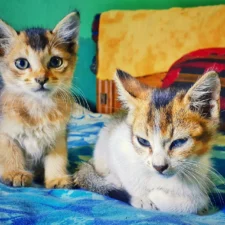





It is easy to assume that indoor cats live in a protective bubble, safe from the dangers that outdoor pets face. After all, Fluffy spends most of her time lounging on the windowsill, batting at toy mice, and napping in sunny spots. Yet the reality is that even indoor cats are vulnerable to contagious diseases. At Ocean Breeze Animal Hospital in Hutchinson Island, FL, we always stress that indoor cat vaccinations are just as important as those for outdoor pets.
Vaccines provide a shield of protection that reduces the risk of serious illness, extends life expectancy, and keeps communities safer. By understanding why indoor cats need vaccines, learning which core vaccines for cats are essential, and reviewing feline vaccine recommendations from veterinary professionals, you can make informed decisions to safeguard your feline companion’s health.
Why Indoor Cats Need Vaccines
Even if your cat never ventures outside, viruses and bacteria can find their way indoors. Guests, other household pets, or even owners themselves can carry infectious agents on clothing or shoes. Mosquitoes, fleas, and other insects can transmit diseases such as heartworm or Bartonella. In multi-cat households, the risk increases further if one cat sneaks outdoors or interacts with strays through screened porches or windows.
Another factor is emergencies. If your family ever faces an evacuation due to a hurricane—something Florida residents know well—your kitty may suddenly be exposed to other animals in shelters, boarding facilities, or hotels. Vaccinated cats are far less likely to contract illnesses under stressful circumstances. These realities highlight exactly why indoor cats need vaccines despite living primarily inside.
Core Vaccines for Cats Explained
Veterinarians classify some vaccines as core, meaning they are recommended for every cat regardless of lifestyle. These vaccines protect against highly contagious and potentially deadly diseases.
Core vaccines typically include:
- Rabies: Protects against a fatal virus transmissible to humans. Required by law in most states, including Florida.
- FVRCP combination: Covers feline viral rhinotracheitis (herpesvirus), calicivirus, and panleukopenia. These diseases can cause severe respiratory illness, oral ulcers, or life-threatening immune suppression.
The FVRCP vaccine is sometimes called the distemper shot. Even indoor cats benefit from this protection, as these viruses are easily spread and highly resilient in the environment.
Click here to see what our previous blog said about microchipping, which is another key aspect of a great pet care regimen.
Feline Vaccine Recommendations Based on Lifestyle
Beyond core vaccines, other immunizations may be recommended depending on your cat’s lifestyle and health. For example, feline leukemia virus (FeLV) vaccination is advised for kittens and young cats, even if they live indoors, because the virus is easily spread through saliva or close contact.
Veterinarians may also recommend additional vaccines if your household fosters cats, frequently travels, or provides outdoor access through leashed walks or enclosed patios. Personalized feline vaccine recommendations help ensure that each cat’s protection is tailored to their unique circumstances.
How Vaccines Work in Cats
Vaccines work by stimulating the immune system to recognize and fight disease-causing agents. They contain either weakened, inactivated, or partial forms of the virus or bacteria. Once administered, the immune system creates antibodies, essentially training the body to respond quickly if exposed later.
This preventive approach means cats experience fewer illnesses and recover faster if they encounter pathogens. While no vaccine guarantees 100 percent protection, immunization dramatically reduces the severity and spread of disease.
Common Misconceptions About Cat Vaccinations
Some cat owners hesitate to vaccinate because of myths or outdated information. A common misconception is that indoor cats face no risk, but as explained, exposure can happen in many unexpected ways. Another myth is that vaccines always cause side effects. In truth, most cats tolerate vaccinations well, with only mild and temporary reactions such as slight lethargy or tenderness at the injection site. Serious complications are rare.
Another misconception is that older cats do not need vaccines. In fact, immunity can fade with age, making boosters critical for maintaining protection throughout a cat’s life.
You can read more about core vaccines for cats at the American Animal Hospital Association here. They also have some helpful information on non-core vaccines here.
What to Expect During a Vaccination Appointment
A vaccination visit at Ocean Breeze Animal Hospital involves more than just shots. Veterinarians begin with a physical exam to check overall health. This ensures your cat is well enough to receive vaccines safely. After discussing lifestyle factors and risks, the veterinarian recommends an appropriate vaccine schedule.
Kittens typically begin vaccines at six to eight weeks of age, with boosters every three to four weeks until they are around 16 weeks old. Adult cats need regular boosters, often every one to three years, depending on the vaccine and individual health needs.
The Role of Preventive Care Beyond Vaccines
Vaccinations are a cornerstone of preventive care, but they work best when combined with other measures. Annual wellness exams, parasite prevention, dental care, and nutritional guidance all contribute to stronger immunity and long-term health. Preventive care also helps identify medical issues early, when they are easiest to treat.
By combining vaccines with comprehensive care, pet parents provide their feline friends with the strongest possible defense against illness.
Fun Facts About Cat Vaccinations
- The rabies vaccine protects both pets and people, making it a vital public health tool.
- Some vaccines for cats can be given intranasally rather than by injection, reducing stress for needle-shy felines.
- The feline panleukopenia virus is so hardy it can survive on surfaces for over a year without proper disinfection.
These facts show just how critical vaccines are in protecting cats and the humans who love them.
FAQs About Indoor Cat Vaccinations
Do indoor cats really need the rabies vaccine?
Yes. Rabies is fatal and can be transmitted to humans. It is required by law, even for indoor-only cats.
How often do cats need vaccines?
It depends on the vaccine. Core vaccines are often given every one to three years. Your veterinarian will recommend a schedule.
Can vaccines make my cat sick?
Most cats tolerate vaccines well. Side effects are rare and usually mild. Serious reactions are very uncommon.
What happens if I skip vaccines?
Skipping vaccinations leaves your cat vulnerable to serious diseases that are easily preventable.
At what age should kittens start vaccinations?
Kittens should begin vaccines at six to eight weeks, with boosters continuing until 16 weeks.
Visit Our Hutchinson Island Veterinary Clinic for Cat Vaccines
Indoor cats may seem protected, but invisible risks exist all around us. By prioritizing indoor cat vaccinations, families can dramatically reduce the likelihood of illness and give their pets longer, healthier lives. At Ocean Breeze Animal Hospital in Hutchinson Island, FL, we are happy to provide guidance on why indoor cats need vaccines, explain core vaccines for cats, and tailor feline vaccine recommendations to your kitty’s specific needs. Call today to schedule an appointment and keep your feline companion safe with lasting protection.
Click here to visit our Services page and learn more about us and the pets we treat.
This blog is for informational purposes only. Always consult your veterinarian for diagnosis, treatment, and grooming advice tailored to your cat.