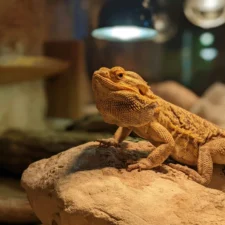





Parrots, rabbits, reptiles, and other exotic pets are fascinating companions. However, their health needs can be very different from those of dogs and cats. At Ocean Breeze Animal Hospital, your Jensen Beach, FL pet hospital, we are happy to treat exotics. One of the most common health concerns in these species is respiratory infection. Because many exotics hide symptoms until illness is advanced, being proactive and attentive can make a life-saving difference.
Respiratory issues may stem from bacterial, viral, fungal, or environmental causes. While some cases are mild, others can progress quickly into serious conditions. Understanding the signs of respiratory problems in exotic animals, and knowing when to seek exotic pet veterinary care, helps ensure your four-legged or feathered friend receives timely treatment.
Why Exotic Pets Are Prone to Respiratory Issues
Exotic pets often have specialized anatomy and unique environmental needs. When those needs aren’t met, their respiratory systems become vulnerable.
Factors that increase risk include:
- Improper humidity or temperature: Especially for reptiles, small changes in environment can trigger illness.
- Poor ventilation or air quality: Dust, smoke, or fumes irritate delicate airways.
- Stress from handling or housing: Stress weakens the immune system.
- Contagious diseases: Some infections spread quickly between animals.
- Underlying health issues: Conditions like dental disease in rabbits can complicate breathing.
Understanding these risks is key to recognizing illness in exotic pets before it becomes severe.
PetMD wrote about respiratory infections in reptiles here. Science Direct also has a more scientific article on it here.
Symptoms of Respiratory Problems in Exotic Animals
Unlike dogs or cats, exotic pets often show very subtle signs of illness. That’s why regular observation is critical.
Common symptoms may include:
- Labored or open-mouth breathing
- Wheezing, clicking, or crackling sounds
- Nasal or ocular discharge
- Lethargy or weakness
- Loss of appetite
- Changes in posture, such as stretching the neck to breathe more easily
Because many species mask illness instinctively, even small changes in behavior or appetite should prompt a visit to your veterinary clinic.
Species-Specific Warning Signs
Different exotic pets may show respiratory issues in unique ways.
- Birds: Tail bobbing, fluffed feathers, or decreased vocalization can indicate illness.
- Reptiles: Frequent gaping, excess mucus in the mouth, or poor shedding may signal problems.
- Small mammals (rabbits, ferrets, guinea pigs): Sneezing, discharge, and reduced grooming are common signs.
Knowing what’s normal for your exotic pet makes deviations easier to spot. Do plenty of research, and learn what specific symptoms you should look out for.
Keep in mind that all exotics have very specific care needs. Click here to find another blog we’ve written on chinchillas.
Diagnosis at an Exotic Pet Veterinary Clinic
When you bring your exotic companion to Ocean Breeze Animal Hospital, our team begins with a detailed history and physical exam. Because exotic pets vary so much in anatomy, specialized techniques may be needed.
Diagnostic tools may include:
- X-rays to evaluate lungs and airways
- Endoscopy to examine nasal passages or trachea
- Laboratory testing for bacterial, viral, or fungal causes
- Culture and sensitivity testing to determine the most effective medications
A thorough approach ensures we address both the symptoms and underlying cause of the illness.
Treatment Options for Respiratory Infections
Treatment depends on the species and the cause of infection. In many cases, a combination of medical therapy and environmental adjustment works best.
Treatment approaches include:
- Antibiotics or antifungals prescribed when infections are confirmed
- Nebulization therapy to deliver medication directly into the airways
- Supportive care such as fluids, oxygen therapy, or nutritional support
- Environmental corrections to optimize humidity, temperature, or ventilation
Because exotic pets respond differently to medications than dogs or cats, dosing must be precise and species-specific. Never give human or dog medications to an exotic pet without veterinary approval.
Preventing Respiratory Problems in Exotic Pets
Prevention is always better than treatment. Good husbandry and regular checkups go a long way in protecting your pet.
Prevention strategies include:
- Provide species-appropriate habitats with correct temperature, humidity, and lighting.
- Maintain clean enclosures with proper ventilation.
- Avoid exposure to smoke, aerosols, and strong odors.
- Schedule annual exams with a veterinarian experienced in exotic pet care.
- Quarantine new pets before introducing them to others.
By following these steps, families can greatly reduce the risk of illness.
Fun Facts About Exotic Pet Health
- Birds have air sacs as part of their respiratory system, making them especially sensitive to airborne toxins.
- Reptiles are ectothermic, so their immune systems slow down in cooler environments, increasing infection risk.
- Rabbits cannot breathe through their mouths, so nasal blockages become emergencies quickly.
These details highlight why vigilance and preventive care are essential.
FAQs About Exotic Pet Respiratory Infections
Can exotic pets recover fully from respiratory infections?
Yes, with early detection and proper treatment, many make a full recovery.
Are respiratory infections contagious between species?
Some can spread between animals of the same type, but most are species-specific.
Do exotic pets need vaccines for respiratory illnesses?
Most exotics don’t, though ferrets require vaccinations for other conditions.
How often should exotic pets see a vet?
At least once a year, though senior pets or those with chronic issues may need more frequent visits.
What should I do if I notice unusual breathing in my exotic pet?
Contact your veterinarian immediately. Respiratory issues can escalate quickly.
Visit Our Jensen Beach Veterinary Clinic for Exotic Pet Care
Exotic pets require specialized knowledge and care to thrive. At Ocean Breeze Animal Hospital, your Jensen Beach, FL animal hospital, we provide comprehensive services for birds, reptiles, and small mammals. If you notice signs of exotic pet respiratory infections or other health concerns, schedule an exam today. With expert guidance and timely treatment, your feathered or scaled companion can live a long, healthy life.
Click here to visit our Services page and learn more about us and the pets we treat.
This blog is for informational purposes only. Always consult your veterinarian for diagnosis, treatment, and grooming advice tailored to your cat.