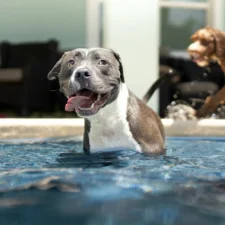





Few things bring as much joy as watching your pup splash through the water on a warm day. At Ocean Breeze Animal Hospital, your Jensen Beach, FL vet clinic, many of our clients love spending time by the water with their pups. With the right guidance and preparation, swimming can be a safe and fun activity for dogs. By learning the most important dog swimming safety tips, you can give your canine pal confidence in the water while avoiding common hazards.
Swimming isn’t just enjoyable for dogs—it’s also fantastic exercise. The resistance of water helps strengthen muscles without placing extra stress on joints. That makes it a great activity for senior pups or those recovering from mild injuries. Still, even strong swimmers need supervision, and pet parents should always follow safe swimming for dogs in Florida to make sure fun never turns into an emergency.
Why Swimming Safety Matters for Dogs
Not all dogs are natural swimmers. Some breeds like Retrievers take to water easily, while others, such as Bulldogs or Dachshunds, may struggle due to body shape. Even athletic dogs can tire quickly in strong currents or hot conditions.
Risks that can arise include:
- Drowning: Dogs can panic or become exhausted.
- Waterborne illness: Lakes and ponds may contain bacteria or parasites.
- Chemical exposure: Pools treated with chlorine can irritate skin and eyes.
- Heat stress: Florida’s hot sun raises body temperature quickly.
Understanding these risks helps families take preventive steps.
Dog Swimming Safety Tips for Florida Families
There are many ways to make swimming safe and enjoyable for your canine companion.
Essential safety steps include:
- Supervise at all times: Never assume your pup is safe without you nearby.
- Introduce water slowly: Let your dog wade before expecting them to swim.
- Use life jackets: Especially for small dogs or those with short legs.
- Offer rest breaks: Dogs can tire faster than you expect.
- Provide fresh water: Prevents pets from drinking pool or lake water.
By following these dog swimming safety tips, you’ll protect your four-legged buddy while still letting them enjoy the water.
If Fido can’t swim, it may be in your best interest to teach him, especially if you have a pool or live by the water. While some pups take to water like furry, barking ducks, others need coaching. You can find a helpful article on this on the PetMD website here.
If going to the beach, you’ll also need to be careful not to let Fido overheat. Click here to explore another blog about caring for pets in Florida’s heat.
Water Safety Tips for Dogs at the Pool
Backyard pools are a favorite gathering place in Florida. While convenient, they present specific risks.
Pool safety considerations include:
- Teach exit points: Show your pup where steps or ramps are located.
- Rinse after swimming: Chlorine can dry skin and irritate fur.
- Cover pools when not in use: Prevents accidental falls, especially for smaller dogs.
- Discourage drinking pool water: It may cause stomach upset.
Pet parents who follow these water safety tips for dogs help reduce risks and make pool time more enjoyable.
Keep in mind that some dogs just swim better than others. Click here for a list of breeds that take to the water naturally.
Best Practices for Dogs Near Florida Lakes
Florida’s lakes and rivers are beautiful, but natural bodies of water pose different concerns than pools.
Best practices include:
- Check for wildlife: Alligators, snakes, and turtles may share the water. It’s best to avoid lakes and ponds, and use extra caution at springs.
- Avoid stagnant areas: Warm, still water is more likely to contain harmful bacteria.
- Inspect water quality: Harmful algal blooms can make pets sick.
- Leash control near water: Prevents dogs from running into unsafe areas.
By following the best practices for dogs near pools and lakes, you can keep adventures safe and stress-free.
Heat Safety Around Swimming
Because Florida summers are hot and humid, it’s not enough to think only about the water. Heat and sun exposure also put dogs at risk.
To keep your pup safe in the heat:
- Swim during cooler hours in the morning or evening.
- Provide shaded rest areas with towels or mats.
- Apply pet-safe sunscreen to sensitive spots like noses and ears.
- Dry ears after swimming to help prevent infections.
Combining heat precautions with swimming guidelines reduces the risk of both heatstroke and illness.
Fun Facts About Dogs and Swimming
- Newfoundlands were bred as water rescue dogs. Their webbed paws make them excellent swimmers.
- Some dogs instinctively paddle, but that doesn’t mean they can swim long distances safely.
- Swimming burns more calories than running. Just five minutes of swimming equals about twenty minutes of running.
These fun tidbits highlight why water activities are so beneficial, but also why safety is key.
FAQs About Dog Swimming Safety
Can all dogs learn to swim?
Most can, but some breeds need extra help or flotation devices.
Is it safe for dogs to swim in saltwater?
Yes, but they should not drink it, and rinsing afterward helps prevent skin irritation.
What if my dog doesn’t like swimming?
That’s okay! Not every dog enjoys water. You can explore other activities.
How do I know if my dog is tired?
Slower paddling, heavy panting, or clinging to the side are signs it’s time for a break.
Should I worry about ear infections?
Yes, especially in floppy-eared breeds. Drying ears after each swim reduces the risk.
Visit Our Jensen Beach Veterinary Clinic for Summer Pet Wellness
Swimming can be a safe, fun way to exercise and bond with your pup. With careful preparation and the right dog swimming safety tips, families across Florida can enjoy the water together. At Ocean Breeze Animal Hospital, your Jensen Beach, FL animal hospital, we provide guidance on swimming readiness, seasonal wellness exams, and preventive care. Call today to schedule a visit and learn more about how to keep your canine pal safe and happy during water adventures.
Click here to visit our Services page and learn more about us and the pets we treat.
This blog is for informational purposes only. Always consult your veterinarian for diagnosis, treatment, and grooming advice tailored to your cat.