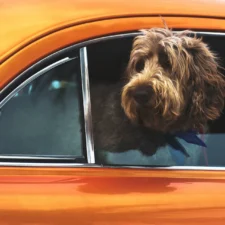





Vacations, road trips, or holiday visits are always more fun when you can bring your furry friend along. At Ocean Breeze Animal Hospital in Jensen Beach, FL, we regularly help families prepare for travel with their pets, whether by car, plane, or both. Safe, enjoyable journeys start with planning ahead. With the right guidance, traveling with pets can be stress-free for you and safe for your four-legged buddy.
Each type of travel—whether local car rides or long-distance flights—comes with its own challenges. By reviewing veterinary recommendations and following proven strategies, you can protect your companion’s health and comfort every step of the way.
Why Preparation Matters Before Traveling with Pets
Dogs, cats, and exotic animals all react differently to travel. Some love the excitement of car rides, while others become anxious on drives. Flights add even more stressors, such as noise, unfamiliar environments, and changes in pressure. Preparing early helps reduce risks and makes the experience easier for your pet.
Veterinary visits are especially important when preparing for trips. A travel exam ensures your pet is healthy, up to date on vaccines, and safe to travel. For families crossing state or international borders, health certificates may be required. Our team is here to assist with every step of preparing pets for travel, and can help with care and planning that are tailored to your destination and mode of transport.
Car Travel Tips for Pets
Car trips are the most common way pets travel. Whether you are heading across town or across the state, safety should always come first.
Car travel tips for pets include:
- Use secure carriers or crash-tested harnesses to prevent injury.
- Keep pets in the back seat rather than the front, away from airbags.
- Provide frequent breaks for bathroom needs, water, and stretching.
- Never leave pets alone in cars, especially in Florida’s heat.
- Bring comfort items like blankets or toys to reduce anxiety.
Even short rides are safer and less stressful when pets are properly restrained and comfortable.
You can learn more about traveling with pets at the American Veterinary Medical Association website here. The CDC also has some helpful information about traveling with pets on their website here.
Flying with Pets Safely
Air travel adds complexity, but many families fly successfully with pets each year. Airlines typically allow pets in the cabin if they are small enough to fit under the seat, while larger pets may need to fly in the cargo hold.
Flying with pets safely requires planning:
- Research airline policies well in advance.
- Choose direct flights to reduce stress and risks.
- Acclimate pets to their travel carrier before the trip.
- Label carriers with identification and emergency contact information.
- Carry a copy of veterinary records, including health certificates.
Some pets may be too anxious or medically fragile to fly. In these cases, your veterinarian can help you evaluate alternatives.
Preparing Pets for Travel Exams
A travel exam at your veterinary clinic ensures your pet is ready for the trip. During this appointment, veterinarians check overall health, review vaccination status, and discuss parasite prevention, which is particularly important in warm climates and areas with high mosquito or tick populations. (Florida, of course, has all of those.)
Travel exams may also include microchipping for permanent identification, advice on motion sickness, and prescriptions for calming aids if needed. Having documentation of your visit often makes airline check-ins and border crossings much smoother.
Exotic Pet Travel Considerations
While most travel discussions focus on dogs and cats, exotic pets sometimes travel too. Birds, rabbits, reptiles, and other small companions need specialized carriers and environments.
Birds require secure cages with minimal movement. Rabbits and small mammals need soft bedding and plenty of ventilation. Reptiles often need temperature-regulated carriers to remain healthy during travel. Because their requirements vary so much, consulting a veterinarian before travel is especially critical for exotics.
Packing Essentials for Pet Travel
Packing for pets is similar to packing for children—you want to have everything they might need, even if you don’t use it all.
Travel essentials include food and water, bowls, medications, leashes or harnesses, waste cleanup supplies, grooming items, and comfort items like favorite toys or blankets. For longer trips, extra bedding or disposable pads can help with unexpected accidents.
A well-prepared bag not only keeps your pet comfortable but also gives you peace of mind.
Fun Facts About Traveling with Pets
- About half of pet owners in the United States travel with their dogs each year.
- Cats are generally less enthusiastic travelers, but many adjust well with practice and the right carrier.
- Dogs that ride in cars with their heads out the window are at risk of eye injuries from debris.
- Cats are of course notorious for hating travel, so take a few extra precautions. (Note: Click here to revisit our past blog on caring for Fluffy. This one is on cat scratching.)
These fun facts show that while travel can be enjoyable, it is important to take precautions.
Common Mistakes to Avoid During Pet Travel
Even well-meaning pet parents sometimes make mistakes. Common errors include forgetting health paperwork, underestimating how hot cars can get, letting pets loose in vehicles, or feeding pets right before traveling, which may cause motion sickness.
Another frequent issue is not introducing pets to their carriers or restraints ahead of time. Familiarizing pets with travel equipment well before departure helps reduce stress and avoids last-minute struggles.
FAQs About Traveling with Pets
Do pets need sedation for travel?
Sedation is rarely recommended, because it can be risky, especially during flights. Calming strategies and training are usually safer. However, talk to your vet, especially if your pet is extremely anxious.
How far can I drive with my dog or cat in one stretch?
Most pets do best with breaks every two to three hours for water, exercise, and bathroom needs.
Can my pet travel internationally?
Yes, but requirements vary by country. Some destinations require lengthy quarantine or specific paperwork.
Should I feed my pet before traveling?
A light meal a few hours before departure is usually best. Avoid heavy feeding right before trips.
What if my pet gets motion sickness?
Your veterinarian can recommend medications or strategies to reduce nausea.
Visit Our Jensen Beach Veterinary Clinic for Travel Support
Whether you are planning a road trip, a cross-country move, or even an international vacation, preparation makes all the difference. At Ocean Breeze Animal Hospital in Jensen Beach, FL, we provide guidance on traveling with pets, including car travel tips for pets, advice for flying with pets safely, and comprehensive preparing pets for travel exams. Call today to schedule an appointment and give your furry—or feathered—friend the safest start to their journey.
Click here to visit our Services page and learn more about us and the pets we treat.
This blog is for informational purposes only. Always consult your veterinarian for diagnosis, treatment, and grooming advice tailored to your cat.