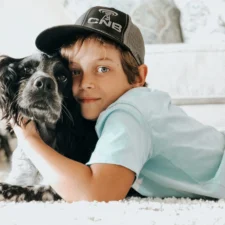





Dogs and kids can be wonderful companions, but the relationship doesn’t always come naturally. While some pups instantly adore toddlers, others may feel overwhelmed or confused by unpredictable movements and loud voices. At Ocean Breeze Animal Hospital in Jensen Beach, FL, we emphasize the importance of teaching good manners and creating safe interactions between dogs and kids. By focusing on dogs and children safety, families can foster harmony and avoid preventable problems.
The process takes patience, consistency, and understanding of both canine and child behavior. With guidance, families can enjoy peaceful households where pets and children thrive together.
Why Dogs and Children Safety Matters
Even the gentlest pup may react defensively if startled or mishandled by a young child. Dogs prefer calmness and predictability, while children often act spontaneously. They also sometimes have high-pitched voices, which can frighten Fido. A wagging tail one moment can turn into a warning growl the next if a dog feels cornered or uncomfortable.
Teaching children to respect dogs and training dogs to respond calmly in family environments reduces risks on both sides. Prioritizing child safety around dogs helps prevent bites, injuries, and anxiety for pets and children alike.
Teaching Dogs to Be Gentle with Kids
Training starts with simple, consistent commands. Sit, Stay, and Leave It are particularly useful when children are present. Dogs should also learn impulse control, such as waiting before grabbing food or toys.
When teaching dogs to be gentle with kids, introduce controlled interactions. Reward calm behavior when the child approaches. Use praise and treats when the dog allows gentle petting. Short, supervised sessions build positive associations between children and the dog.
Consistency is key—dogs need to know what behaviors earn rewards every time.
Positive Training for Dogs with Kids
Punishment-based training methods often increase fear and reactivity. Instead, use positive reinforcement. Reward good behavior immediately, and redirect unwanted behavior with alternatives. For example, if your dog jumps up when excited, teach them to sit for greetings and reward them with attention only when calm.
Positive training for dogs with kids builds trust, reduces anxiety, and strengthens the bond between family members. Over time, your pup learns that calm, polite interactions always lead to rewards.
Teaching Children to Respect Dogs
Training doesn’t stop with dogs—children must also learn how to behave around pets. Young kids should never be left unsupervised with dogs, no matter the breed or size.
Simple rules for children include not disturbing dogs while they are eating or sleeping, avoiding pulling tails or ears, and using quiet, calm voices around pets. Show children how to gently pet along the back rather than touching sensitive areas like the face or paws.
Respectful handling prevents misunderstandings and helps dogs feel secure.
Teaching kids about dogs’ body language is very important. PetMD has an article about Fido’s body language here. The ASPCA also wrote about canine aggression in this blog, which you can read here.
Creating Safe Spaces for Dogs
Every dog needs a safe retreat where they can rest without interruption. Provide a bed, crate, or quiet room where children are not allowed to follow. This gives your dog control over interactions, reducing stress.
Teaching children to honor these safe spaces further reinforces healthy boundaries, which can help with both dogs and children’s safety at home.
Reading Dog Body Language
Dogs communicate constantly through body language. Recognizing the signs of stress, fear, or anger in pups can help prevent accidents and incidents. Warning signals may include lip licking, yawning, turning away, growling, or showing the whites of the eyes. These cues mean the dog is uncomfortable and needs space.
Anxiety can take many forms with dogs. Click here to see what we shared in a previous blog on separation anxiety.
Teaching kids to notice and respect these signals is one of the most valuable lessons in living safely with dogs.
Fun Facts About Dogs and Kids
- Studies show children who grow up with dogs often develop stronger immune systems.
- Dogs can lower stress levels for kids, making them wonderful emotional companions.
- Many therapy dogs specialize in working with children in hospitals and schools.
These benefits highlight why safe, positive relationships matter so much.
FAQs About Dogs and Children Safety
At what age can kids safely interact with dogs?
Supervised interactions can begin at any age, but close monitoring is essential until children clearly understand the rules.
Can training help if my dog already shows aggression toward kids?
Yes. In this situation, professional help from a veterinarian or behaviorist is strongly recommended.
Should I rehome my dog if safety issues arise?
Not necessarily. With training and guidance, many families resolve concerns successfully.
How do I introduce a new baby to my dog?
Start gradually before the baby arrives. Introduce baby-related sounds and scents, and reward calm responses.
What if my child is afraid of the dog?
Move at a slow pace, encourage calm interactions, and avoid forcing contact.
Visit Our Jensen Beach Veterinary Clinic for Behavior Guidance
Families deserve safe, joyful bonds between their children and pets. At Ocean Breeze Animal Hospital in Jensen Beach, FL, we provide support for dogs and children safety, offer resources for teaching dogs to be gentle with kids, and connect families with trainers skilled in positive training for dogs with kids. Call today to schedule a consultation and strengthen the relationship between your pup and your children.