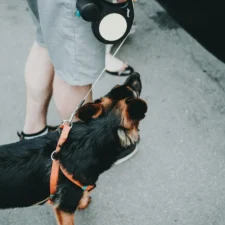





If your pup turns every walk into a tug-of-war, you’re not alone. At Ocean Breeze Animal Hospital, your Jensen Beach, FL pet clinic, we often hear from frustrated pet parents that are struggling with pups who don’t have the best leash manners. Pulling can make walks stressful and even unsafe, but the good news is that dog leash training doesn’t have to rely on harsh corrections. Gentle, consistent methods can transform your outings into enjoyable bonding time with your four-legged buddy.
Leash manners are about more than convenience. Good leash habits protect your dog from injuries, prevent accidents, and make walks calmer for everyone involved. By practicing proven leash training methods for dogs, you’ll set your pup up for safer adventures while strengthening your connection.
Why Dogs Pull on the Leash
Pulling isn’t usually about defiance—it’s about instinct and excitement. Dogs naturally move faster than humans, and their powerful sense of smell drives them to explore every corner of the neighborhood.
Common reasons dogs pull include:
- Excitement: Eager to sniff, explore, or greet people and other animals.
- Lack of training: Dogs don’t automatically know how to walk on a leash.
- Reinforcement: If pulling gets them where they want to go, they learn to keep doing it.
- Energy levels: High-energy breeds often struggle more with leash control.
Understanding the why behind pulling makes it easier to address the behavior with patience. Whole Dog Journal has an interesting piece on leash manners here.
Gentle Leash Training Solutions
Training your pup to walk politely requires time and consistency, but gentle techniques work best in the long run. Harsh corrections or punishment often create fear and frustration without solving the problem.
Gentle leash training solutions include:
- Start in low-distraction areas: Practice indoors or in your yard first.
- Use short sessions: Keep training fun and avoid overwhelming your dog.
- Stop when pulling occurs: Stand still until your pup relaxes, then resume walking.
- Reward calm walking: Offer treats or praise for staying beside you.
- Change direction often: Keeps your pup focused on following your lead.
These steps encourage your pup to see walking with you as the most rewarding choice. Click here to read our previous blog on crate training.
Tools That Can Help with Training
While training is the key, the right tools make the process smoother.
Helpful tools may include:
- Harnesses designed for control: Front-clip harnesses discourage pulling safely.
- Standard leashes: Avoid retractable leashes, which encourage constant tension.
- Treat pouches: Keep rewards handy for reinforcing good behavior.
Remember, tools should support training, not replace it. The AKC has a piece about training Fido to walk on a leash here.
How to Stop Dog Leash Pulling in Real Life
Consistency outside the training yard is essential. Walks provide real-life challenges like squirrels, other dogs, and noisy traffic.
Tips for daily walks include:
- Set realistic goals: Focus on shorter, calmer walks at first.
- Practice focus cues: Teach watch me or heel to redirect attention.
- Provide mental enrichment before walks: A quick training game at home can take the edge off, and help your pet burn through that extra energy.
- Stay calm and patient: Your pup will mirror your mood during training.
With practice, you’ll notice steady progress as your canine companion learns self-control.
When to Seek Professional Guidance
Some dogs need more structured support than owners can provide at home. That’s when professional trainers or veterinary guidance can help.
You may benefit from expert help if your dog:
- Pulls so hard that walking is unsafe
- Shows aggression or reactivity toward other dogs or people
- Doesn’t improve despite consistent practice
- Has underlying health issues that complicate training
At Ocean Breeze Animal Hospital, we can evaluate your dog’s overall health and recommend trusted trainers or behavior support when needed.
Fun Facts About Dogs and Walking
- Dogs can smell 100,000 times better than humans, which explains why they want to spend so much time sniffing lawns!
- Some breeds are natural walkers, like Retrievers and Spaniels, while others, like Basset Hounds, prefer sniffing breaks.
- Regular walks improve mental health, reducing boredom-related behavior at home.
Walks aren’t just exercise—they’re an essential part of your dog’s daily well-being.
FAQs About Dog Leash Training
Is it too late to train an older dog?
No. Dogs of any age can learn better leash manners with the right approach.
Should I use a choke or prong collar?
Gentle tools like harnesses are safer and more effective long-term.
How long does leash training take?
It varies. Some pups improve in weeks, while others need months of consistent work.
What if my dog only pulls around other dogs?
This may be reactivity. Training with a professional can help manage those triggers.
Can leash training be combined with obedience training?
Yes. Obedience commands like sit and stay help improve focus on walks.
Visit Our Jensen Beach Veterinary Clinic for Training Support
Walking your dog should be enjoyable, not exhausting. With the right dog leash training approach, you can transform tugging into teamwork. At Ocean Breeze Animal Hospital, your Jensen Beach, FL animal hospital, we can guide you with gentle leash training methods for dogs, share resources, and connect you with trusted trainers. Call today to schedule a visit and help your pup learn leash manners that make every walk a pleasure.
Click here to visit our Services page and learn more about us and the pets we treat.
This blog is for informational purposes only. Always consult your veterinarian for diagnosis, treatment, and grooming advice tailored to your cat.